
Influencer marketing is more crowded than ever. No matter how specific a topic is, there are now hundreds of creators talking about it in different ways, on different platforms, to different audiences. For marketers, the challenge has been leveled up: finding creators + figuring out which ones actually belong in a niche.
If your business serves a niche audience, working with general influencers is arguably a risk. A large following means very little if the community behind it does not care about your product or understand your use case. Niche campaigns depend on creators who already speak the language, understand the problems, and hold attention within that specific space.
To get this right, brands need more than a single search or a simple checklist. Finding niche influencers usually requires combining several discovery approaches and understanding when each one makes sense.
This article is meant to help you find your way through all of that. It lays out different ways people find niche influencers, and when each one makes sense to use. You can pick what fits your situation and ignore the rest, without the process turning helter skelter.
What does a niche market mean in influencer marketing?
In influencer marketing, a niche market means focusing on a specific group of people who share the same interests, needs, or habits. Rather than aiming at a broad topic like fitness or beauty, a niche narrows the focus to something more specific, such as strength training for women over 40 or skincare for people with sensitive, acne-prone skin.
The main difference is their focus. Broad markets speak to a wide audience, while niche markets speak to people who care deeply about one topic. Niche influencers usually talk about the same subject over and over, and their audience follows them for that reason. They are there for advice, experience, or a clear point of view instead of just general lifestyle content.
This focus is what makes niche markets work so well in influencer marketing. When a creator’s content closely matches how a product is used in real life, the promotion becomes more natural and easier to trust. Even with smaller audiences, niche influencers often see stronger engagement because they are talking to people who are already interested in that topic.
Are niche influencers different from other influencers?
Yes. The biggest difference is not follower count, but focus and depth. Niche influencers usually build their audience around one main topic, while broader influencers cover a wider range of content. The table below highlights the key differences that matter in practice.
| Aspect | Niche Influencers | General Influencers |
|---|---|---|
| Content focus | Centered on one specific topic or problem | Covers multiple topics or lifestyle themes |
| Audience reason for following | Expertise, advice, or shared interest | Entertainment, personality, or inspiration |
| Knowledge level | Deep understanding of a specific subject | Broad awareness across different topics |
| Posting patterns | Repeats the same topic consistently | Content variety changes often |
| Audience expectations | Practical tips, reviews, or explanations | Visual content, trends, or personal updates |
| Trust level | Often higher due to topic consistency | Depends more on personal brand |
| Typical audience size | Smaller but more focused | Larger but more mixed |
| Brand fit | Strong fit with niche or specialist products | Better for mass-market products |
| Collaboration style | Long-term partnerships are common | One-off campaigns are more common |
There are also a few differences that are less obvious than others, but are useful to know.
First, niche influencers tend to be easier to find through specific keywords and problem-based searches. They often describe exactly what they do and who they help, which makes them show up when you search for very specific topics. General influencers, on the other hand, are more likely to be discovered through trends or explore pages.
Another thing to notice is how long their content stays relevant. Niche creators often post tutorials, reviews, or explanations that people come back to weeks or even months later. This can be useful if your product needs a bit of context or explanation.
If you read the comments, you’ll usually see a difference too. Followers of niche influencers ask detailed questions and share their own experiences. That kind of interaction is a good sign that the audience cares about the topic and is paying attention.
Read more about niche influencers here: An All-Inclusive Guide to Niche Influencers
Before you search: determine your niche and build a keyword map
If you’re marketing a new business or testing the waters in influencer marketing, specifying your niche is something you’ll want to do. This helps avoid overly broad results during the influencer discovery process and profiles that are only “kind of related” rather than a true fit.
To start, try writing your niche in one simple sentence:
“We sell ___ for people who ___, and we want creators who talk about ___.”
This sentence keeps your search focus and can act as your reminder to say no to creators who look interesting but don’t really match your use case.
Next, set a few boundaries. Ask yourself or your team:
What topics should appear regularly in a creator’s content?
What topics are related but not relevant for this campaign?
What would clearly disqualify a creator from the list?
Once that’s clear, turn your niche into a keyword map. This is the list you’ll use across tools, platforms, and manual searches.
Here are the keyword groups to build:
Role or identity keywords
Job titles, roles, or self-descriptions creators use, such as “trail runner,” “dog trainer,” or “home barista.”Problem and goal keywords
The issues your audience is trying to solve or the outcomes they want, like “knee pain,” “reactive dogs,” or “latte art.”
Tools, products, or methods
Equipment, ingredients, techniques, or routines commonly used in the niche. For instance: “adjustable dumbbells” or “HIIT circuits” for the fitness niche, “ceramide moisturizers” or “barrier repair routines” for the skincare niche.
Community and culture keywords
Hashtags, event names, group names, or phrases people in the niche use to find each other.
Synonyms and variations
Different ways people describe the same thing, including slang, abbreviations, or alternate spellings. For example, “home workout” can be mentioned as “no-gym workout” or “at-home training”
You don’t need hundreds of keywords. A small, thoughtful list is enough. Aim for a few core terms and a longer list of supporting ones, then adjust as you see what results come up.
What are the best ways to find influencers for niche markets?
Just like finding the other kinds of influencers, you will need to choose between several methods and decide which one suits your workflow, company budget, or other factors. In practice, these approaches fall into three main routes.
Each route includes several steps or methods that work best in specific situations, depending on how defined your niche is and how much depth you need:
1. Precision discovery
This route works best when you already know your niche and want to narrow down results quickly without sifting through unrelated creators. The primary thing you need for this method is an influencer discovery tool with niche search capabilities.
Choose a niche discovery tool to filter by focus and quality
Influencer discovery tools make it easier to search across large creator databases while narrowing results to a specific niche. Instead of relying on broad categories, these tools allow you to search based on how creators describe themselves and what they consistently post about. This helps surface creators whose content centers on the niche, not just those who mention it once.
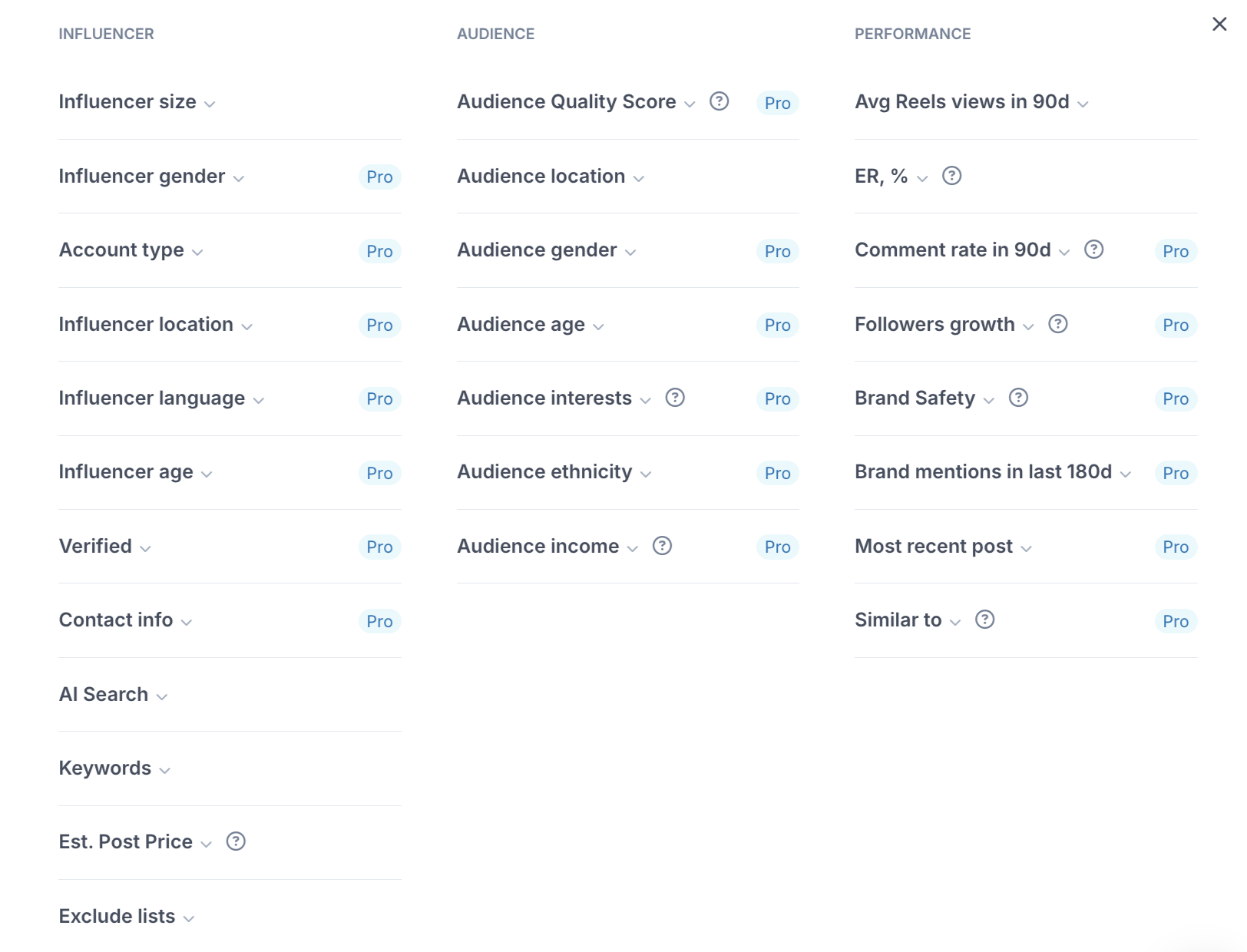 One example of a tool designed for this kind of search is HypeAuditor. It supports both keyword-based search and AI-powered search, which are useful in different niche scenarios. It also provides more than 25 filters to narrow your search. For niche influencer discovery, I’d recommend adding filters such as Audience Interests and Audience Quality Score to improve the results.
Go beyond basic categories and single keywords
Relying on broad categories or one keyword often leads to mixed results. Narrow niches usually overlap with other topics, which means creators can appear relevant on paper but rarely post about the niche itself. Using multiple keywords, exclusions, and topic signals helps reduce noise and keeps results focused.
 With HypeAuditor, this is possible. The keyword search lets you look for exact terms and control where they appear, such as in bios or captions. It also allows keyword exclusions to reduce noise and improve accuracy. Searches can include up to 10 keywords at once, which makes this approach great for small and specific niches where precision matters.
At this stage, use the keyword map you created earlier to run multiple searches with different keyword combinations. This way, you’ll get varied results and more influencer options.
Look for tools that analyze content, language, and context
For niche searches, it helps when tools analyze bios, captions, and even visual content, rather than relying only on declared categories. Support for synonyms and language variations is also important, since niche creators often describe the same topic in different ways.
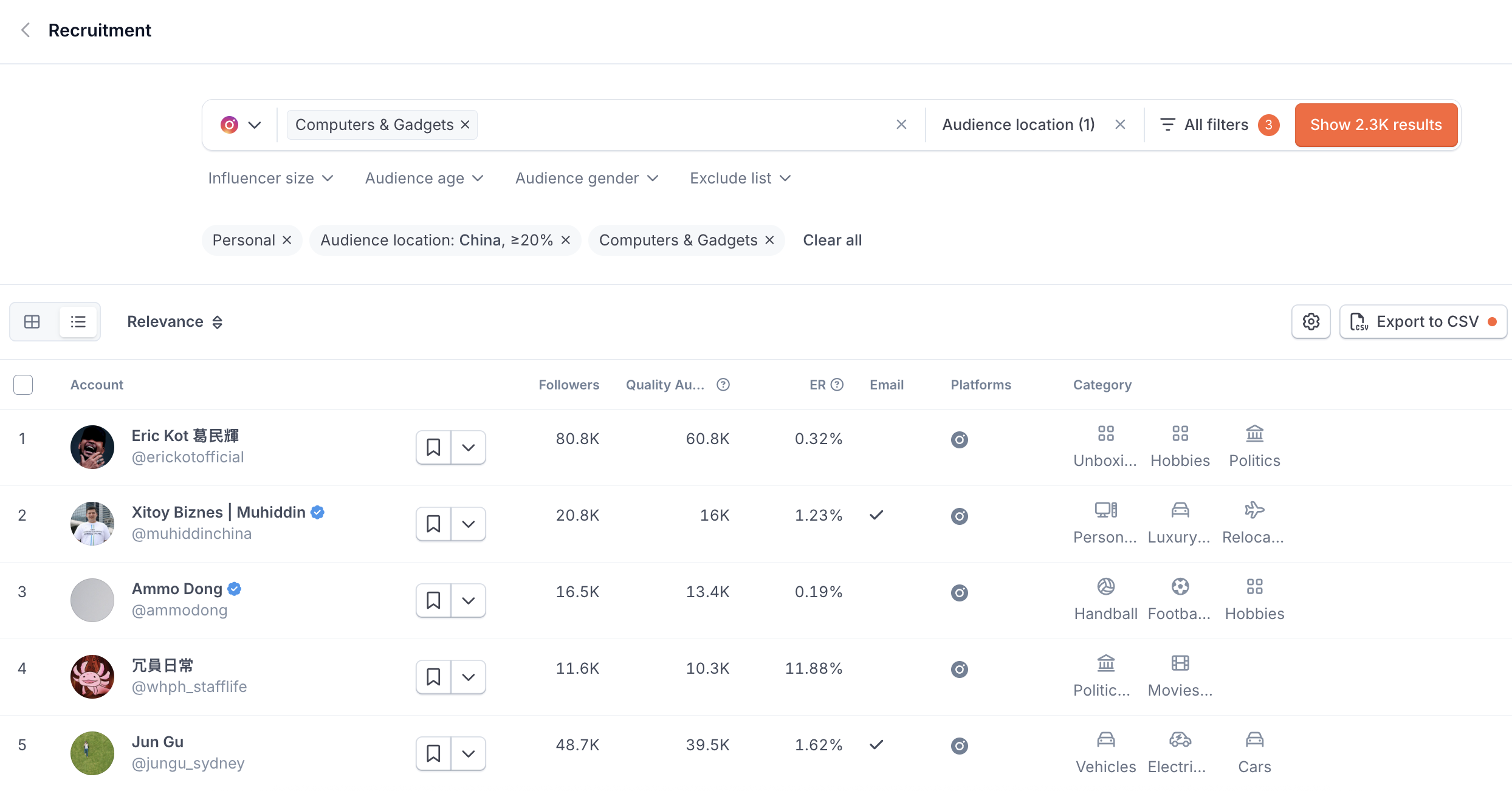 This is what AI Search in HypeAuditor can do. It returns a different set of results when searching for niche influencers by focusing on overall context rather than exact wording. The search analyzes content themes, language, and visual cues to identify creators who talk about related topics, even when they describe them in different ways.
Many of our clients have said it is more suitable for broader or less clearly defined niches, where creators may use varied language for the same topic.
2. Platform-native search
Platform-native search is often where niche creators become visible first, before they show up in discovery tools. This route takes more manual effort, but it helps surface creators who are already deeply involved in the niche.
Search hashtags and keyword variations across platforms
Use the keyword map you created earlier to run multiple searches using different combinations of hashtags and plain keywords on Instagram, TikTok, and YouTube. Many niche creators clearly describe what they do in captions, bios, or video titles, which makes keyword-based searching a reliable way to find relevant profiles.
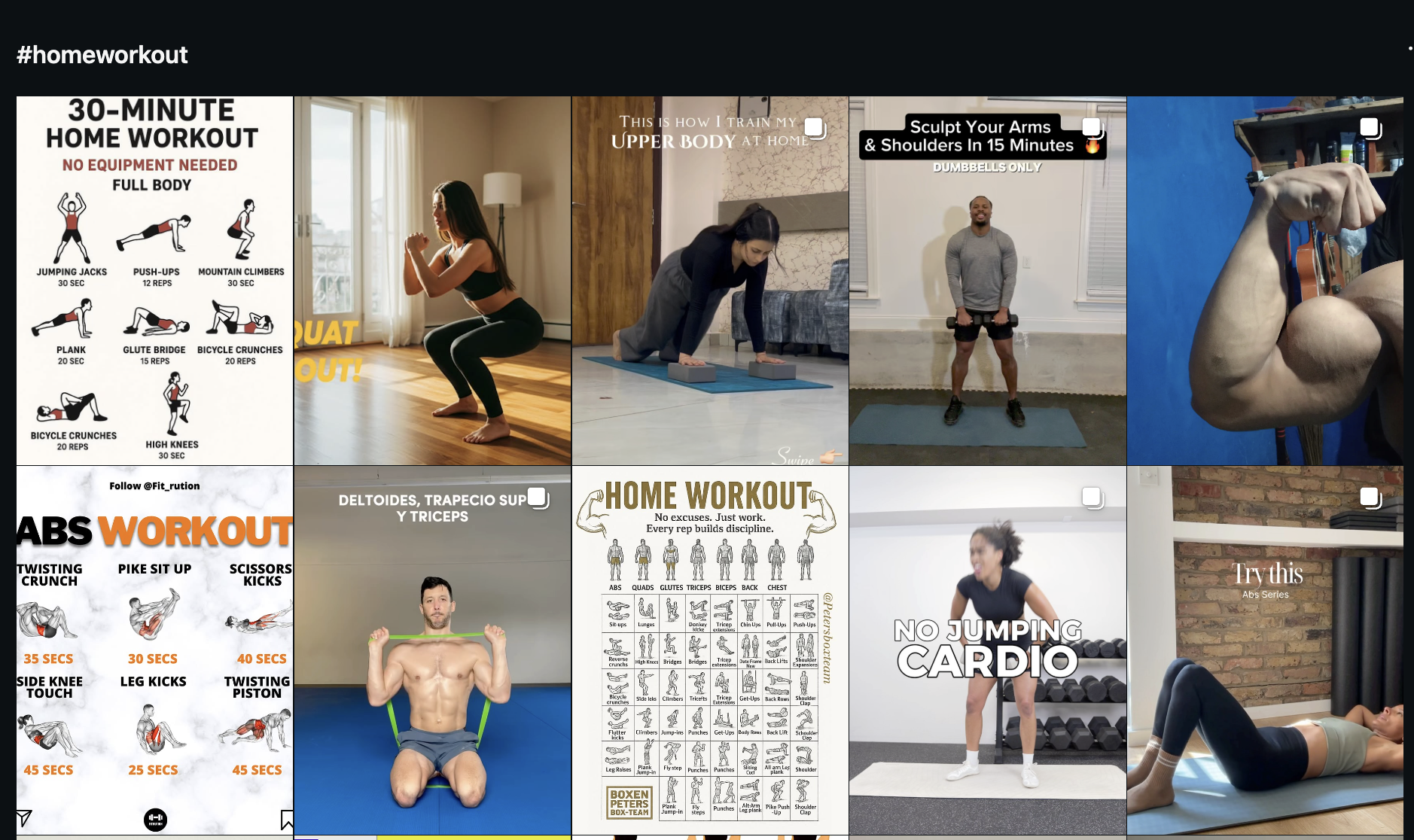 However, when searching for niche influencers using this method, you’ll need to be meticulous, since search results on social media platforms like Instagram also include posts from non-influencer accounts such as meme pages, fan accounts, and theme pages.
Watch for consistency
Niche creators usually return to the same topic across many posts. When reviewing profiles, check whether the niche shows up repeatedly over time and from different angles. A single relevant post is not enough to confirm that a creator is actually focused on the niche.
Use comments to spot expertise signals
 Comments often reveal more than follower counts. Look for creators whose audience asks detailed questions or discusses specific problems related to the niche. This type of interaction suggests the creator is trusted and seen as knowledgeable within that space.
3. Market insights
This route focuses on learning from what is already happening in the niche. It looks at existing brand activity, community behavior, and audience involvement to help identify creators who are already trusted and relevant. This approach takes more manual effort, but it often leads to creators with strong credibility and a natural fit.
Review competitor and peer brand partnerships
Check the tagged posts, mentions, and past collaborations on competitor and peer brand profiles to see which creators appear repeatedly. Creators who show up across multiple campaigns or longer partnerships often have experience with niche products and understand the category well.
Check your own customers and followers
Review your followers, tagged posts, and Story mentions to find customers who consistently create content, share experiences, or answer questions related to your niche. These creators often have a natural connection to the product and speak to the right audience already.
Monitor niche conversations and mentions
Search for niche keywords, product names, or recurring questions on social platforms and community spaces to see who is actively contributing to discussions. Creators who regularly offer advice or recommendations tend to stand out without actively promoting themselves.
These competitor monitoring and analysis methods can be done manually without any tools, which makes them accessible for brands and teams of any size. However, if your day-to-day work involves managing multiple influencer campaigns, HypeAuditor offers a Market Analysis suite that includes six tools in one dashboard:
Mention Analytics
Competitor Insights
Competitor Comparison
Audience Overlap
 These tools allow you to conduct market and competitor analysis, including seeing which influencers your competitors are working with or mentioning, along with the performance of related posts, whether sponsored or organic. This removes the need for manual scrolling and provides reports or real-time tracking of competitor activity.
To sum it up
Finding influencers for niche markets usually comes down to pattern recognition. The creators you’re looking for tend to show the same topics again and again, attract the same type of audience, and appear in the same places across tools, platforms, and communities. When those patterns line up, it’s a good sign you’re looking at someone who actually belongs in the niche.
What you need to remember is to use the methods in this article as checkpoints, then review and finalize your selection again. Some niches surface best through tools, others through platforms or market activity, and many through a combination of the three. When you compare what you see across these routes, it becomes much easier to narrow your list and move forward without hesitating over every choice.